
E-mental health tools for mental health and wellbeing (NIMH)

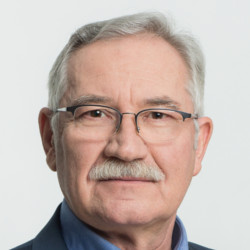
is an expert in public mental health. His main focus is on mental health systems of care, psychiatric epidemiology, stigma of mental illness, mental literacy and overall mental wellbeing and resilience.

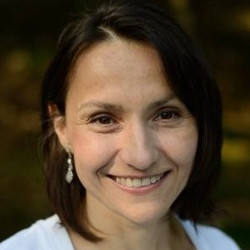
leads research activity WP4.2. She is a CBT therapist, psychiatrist and expert in the field of education and cognitive-behavioural therapy for anxiety disorders.

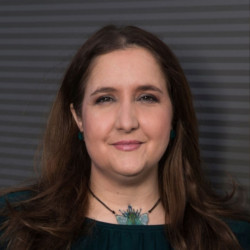
leads research activity WP4.3. She is a psychologist, neuroscientist and researcher and has long focused on the use of VR tools in cognitive interventions and psychotherapy.

leads research activity WP4.4. He is an expert in the psychological aspects of addiction with an emphasis on identifying predictors of addiction development and the use of prevention tools. He is a researcher or member of the research team of 16 national or international research projects.

leads research activity WP4.5. He is a qualified psychologist and psychotherapist with a specialist interest in psychotherapy research. He has authored or co-authored more than 80 peer-reviewed publications, co-authored the DeePsy web application, and received a Fulbright-Masaryk Scholarship (2021).

is an excellent researcher and expert in the field of addiction medicine, epidemiology and preventive medicine. Until 2021, he headed the National Monitoring Centre for Drugs and Addictions. He teaches at the 1st Medical Faculty of the UK. He has participated in many international research and implementation projects supported by EMCDDA and the European Commission.

is an expert consultant for the project. He is an associate professor in public health at STAD, Center for Psychiatry Research at the Karolinska Institutet, Sweden. His research focuses on the development, evaluation and implementation of digital interventions for people with substance dependence and children of parents with addiction, and he contributes to the project through advisory and consultancy services.
What do we study?
We examine and develop possibilities and practices for strengthening psychological resilience, improving mentalhealth literacy, and enhancing mental health through web-based tools and smartphone applications. Our flagship tool is Opatruj.se, with specialised versions tailored for Ukrainians (samopomi.ch) and some Russian-speaking populations (Belarus, Kazakhstan — samopomo.ch).
How can this research benefit society?
We help address the mental health crisis, in which the demand for care dramatically exceeds the available supply, and the existing services often do not correspond to what people want or need. We make high-quality, evidence-based mental-health support more accessible, including prevention, early detection, and early intervention for mental-health difficulties.