The Healthy Generation Team Involved in DigiWELL Hosted an International HBSC Network Meeting in Prague
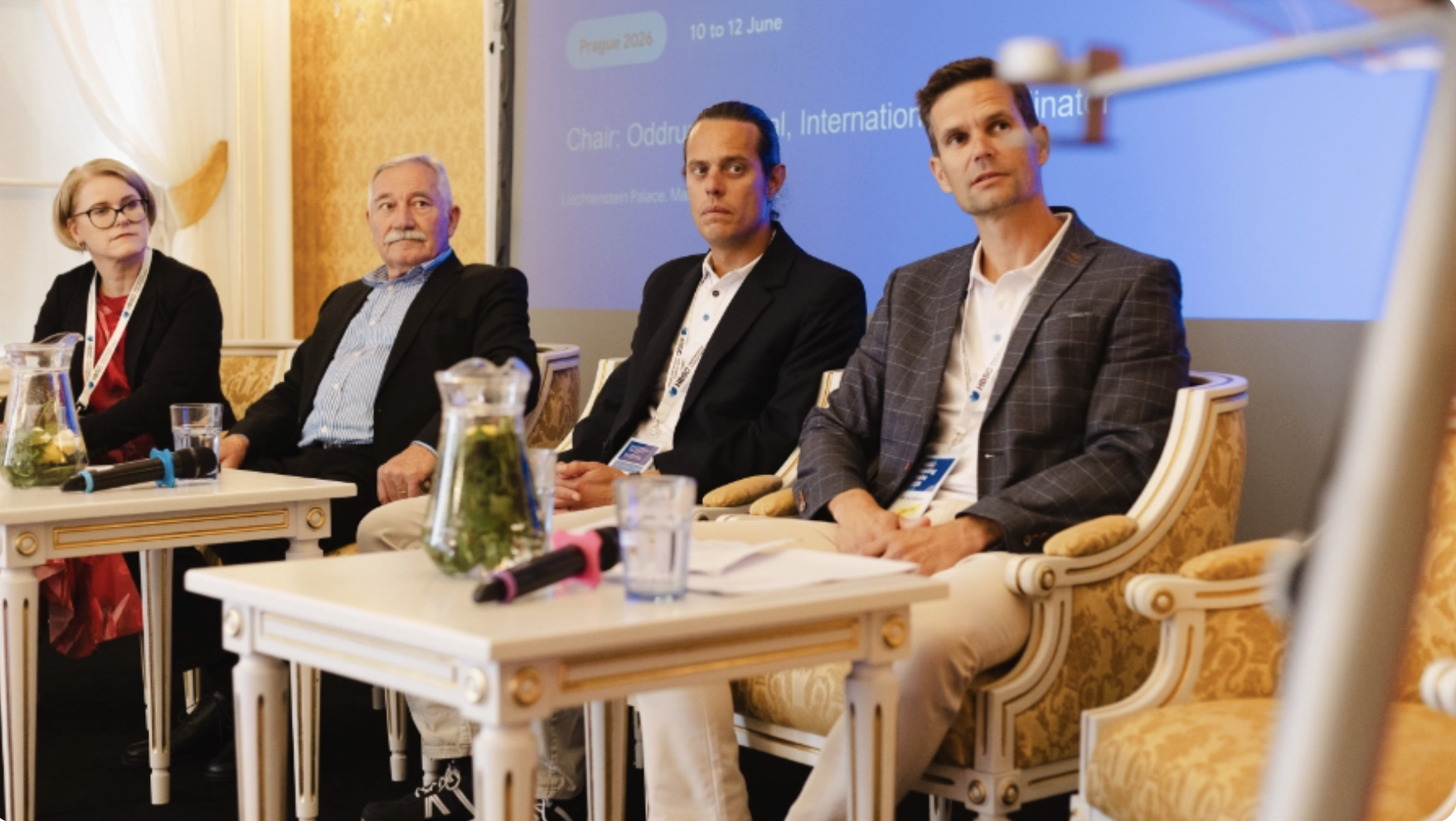
Nearly 200 experts from around 40 countries gathered in Prague from 10 to 12 June 2026 for an international meeting of the HBSC research network. The event, held at Liechtenstein Palace, was organised by the Zdravá generace team from Palacký University Olomouc, which is also involved in the DigiWELL project. The main topics included adolescent mental health, the digital environment, social inequalities and the translation of scientific findings into practice.
The international HBSC research network – Health Behaviour in School-aged Children – has long monitored the lifestyles, health and behaviour of children and adolescents aged 11 to 15. Thanks to a shared methodology, it enables researchers to compare data across countries and track long-term changes in the health of younger generations.
The Prague meeting featured dozens of specialist workshops, expert group sessions and plenary meetings. Researchers discussed topics including the impact of social media and screen time, cyberbullying, mental health, physical activity, eating habits, risk behaviour and inequalities associated with families’ social and economic backgrounds.
The links between the digital environment, lifestyle and young people’s mental wellbeing represent an important area of overlap between the work of the Healthy Generation team and the research focus of the DigiWELL project. Participation in the international HBSC network provides the project with access to long-term, internationally comparable data that can help researchers better understand how digital technologies shape the everyday lives of children and adolescents.
The meeting opened with a joint press conference involving the Czech research team, the Office of the Government of the Czech Republic, UNICEF Czech Republic and the World Health Organization. The event also introduced the national report Socioeconomic Differences in Childhood: Inequality Begins with Obesity and Ends with Depression, based on research involving more than 14,000 children. Its findings highlight significant links between family background and the physical and mental health of Czech adolescents.
“Thanks to our long-term involvement in this global research network, we have access to unique and robust data. These findings do not remain confined to academic journals. Through the Healthy Generation project, we translate them into concrete recommendations and programmes aimed at children and adolescents,” said Michal Kalman and Petr Baďura, leaders of the HBSC/Healthy Generation research team.
Young People as Research Partners
A distinctive feature of the Prague meeting was the direct involvement of children and adolescents. Pupils from Svatoplukova Primary School in Olomouc and students from Hejčín Grammar School in Olomouc took part in the press conference, specialist seminars and interactive workshops.
Young people therefore participated not only as the target group of the research, but also as partners who helped interpret the findings and discuss their use in schools and everyday life.
“We cannot discuss the younger generation without involving them. We work with children as equal partners who help us interpret research findings accurately and transfer them into the real-life school environment,” emphasised Jana Vokáčová, creative methodology specialist for the Healthy Generation project.
During the meeting, the Czech team also presented the new visual identity of the global HBSC network, which will be used in communication across its member countries. The programme also provided opportunities to establish international partnerships and prepare joint research activities.
The Prague meeting demonstrated the importance of long-term international exchange of data, methods and experience. For the DigiWELL project, collaboration with the Healthy Generation team creates an opportunity to connect knowledge about adolescent health with research into digital wellbeing and to explore ways of applying scientific findings in schools, public policy and prevention programmes.