SCIENCE IS ALSO ABOUT MEETING: JUNIOR ACADEMY BROUGHT YOUNG RESEARCHERS FROM DIFFERENT COUNTRIES TO OSTRAVA
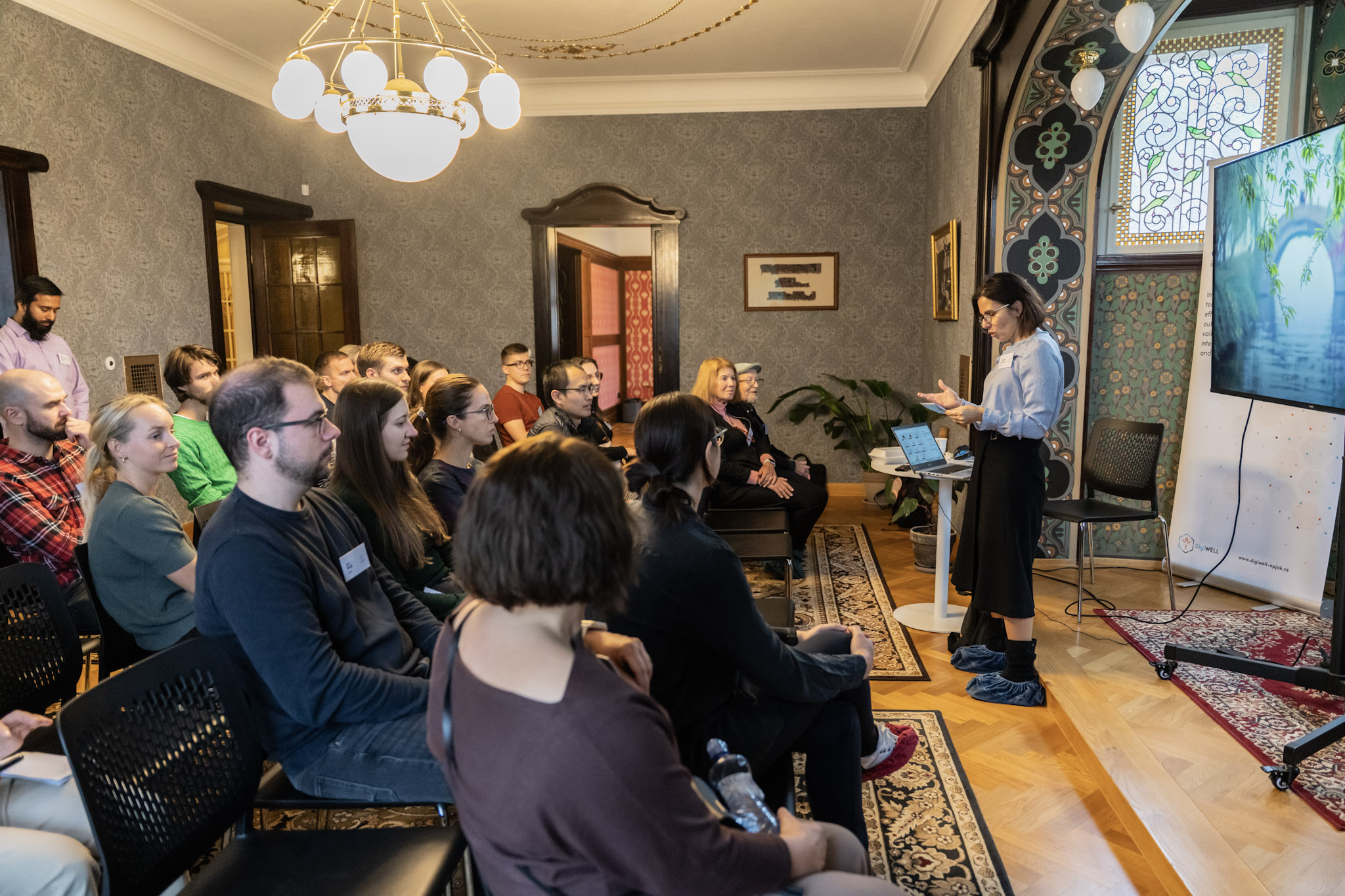
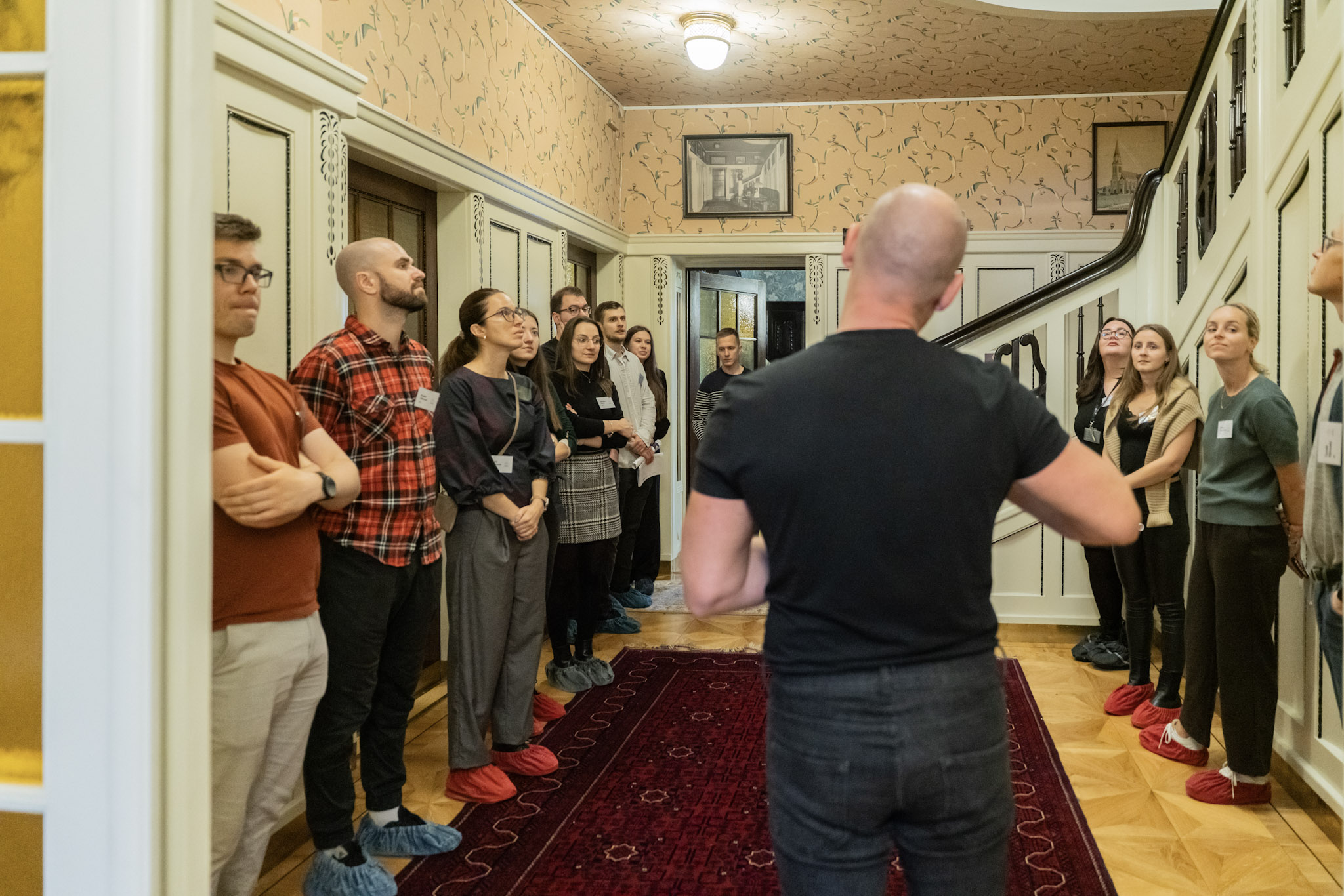
The programme was created within the DigiWELL project, which, in addition to conducting research, also aims to connect and educate young scientists. On 3 November, participants met in person for the first time in the inspiring Art Nouveau setting of Grossmann Villa.
Approximately forty researchers arrived in Ostrava. “This is a group of PhD students and postdoctoral researchers working in the field of digital wellbeing,” explains the principal investigator of the DigiWELL project, Prof. Steriani Elavsky from the Faculty of Education at the University of Ostrava.
“At the same time, it is very important for us to maintain high-quality communication across research teams within the project. DigiWELL involves more than 150 scientists from eight institutions, and we do not always know exactly who is working on what at a given moment, so we are trying to find common ground,” the professor adds.
In the DigiWELL project, maintaining strong communication across research teams is very important to us.
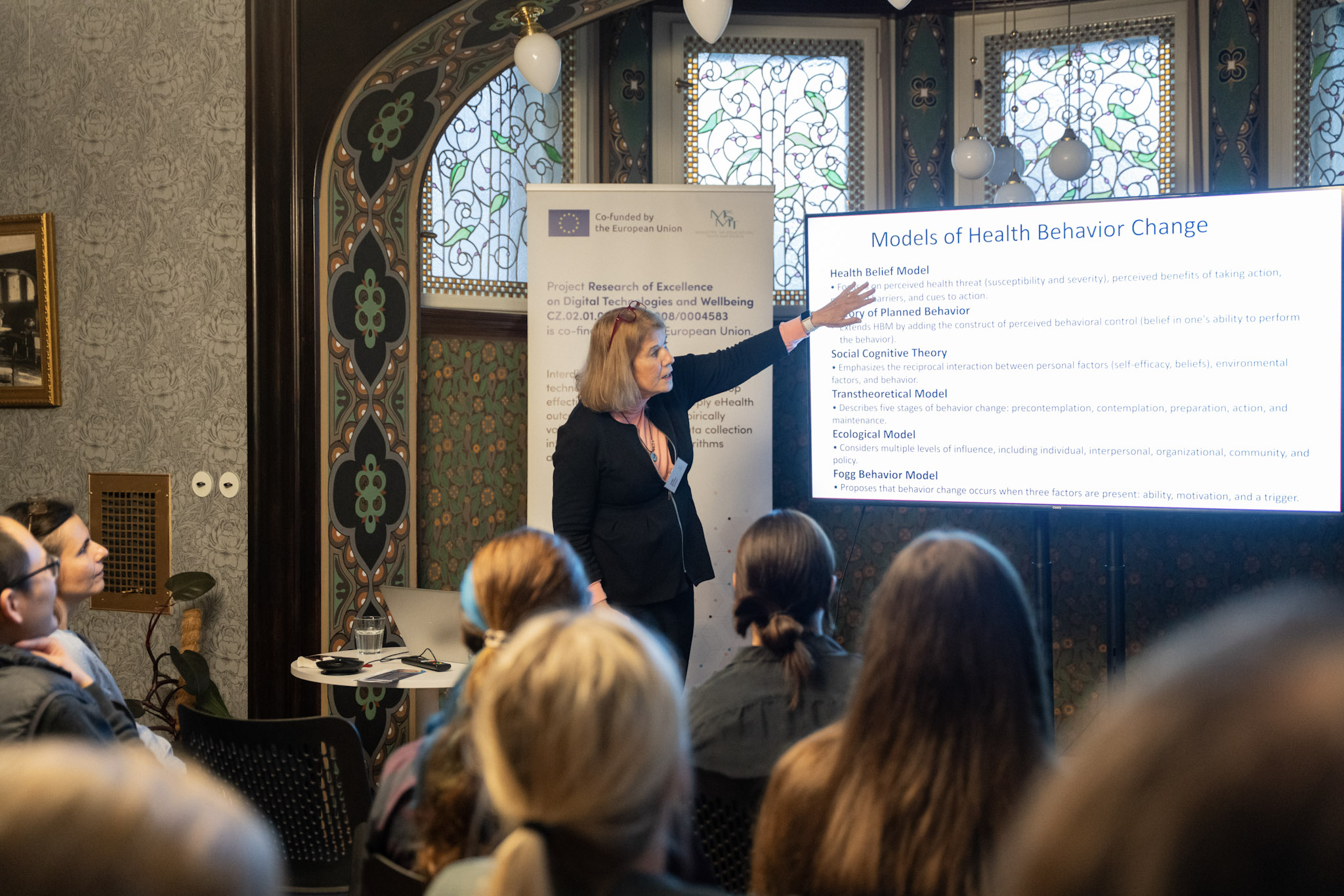
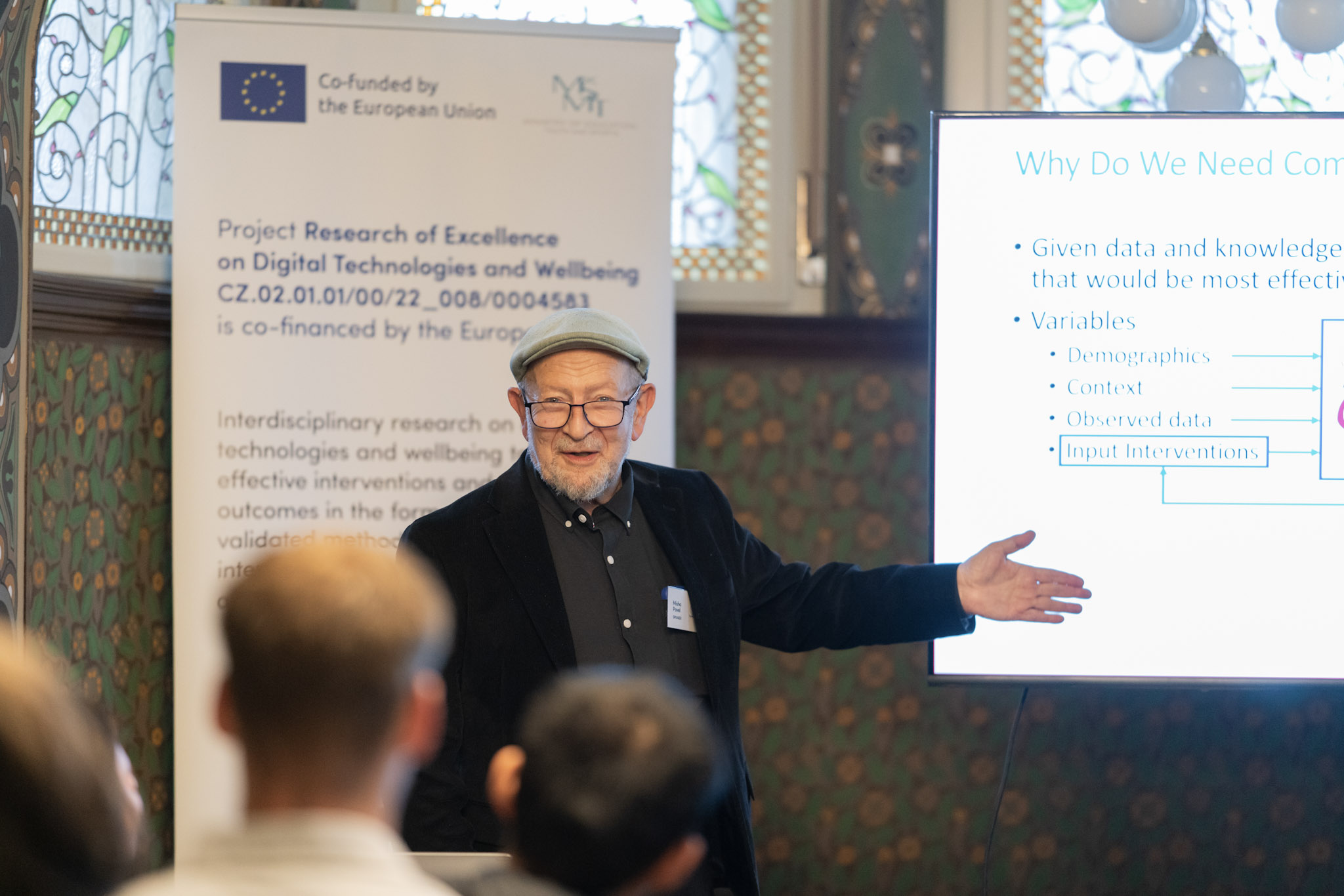
The topics of the meeting were selected to support the professional development of young researchers. Presentations on EMA (Mathematical Models for Testing Psychological Theories) were delivered by Prof. Misha Pavel from Northeastern University in the USA and Dr. Olga Perski from Stockholm University. Prof. Holly Jimison shared her expertise in a talk titled Using Health Behaviour Change Models to Design Intervention Messages.
CZECH SCIENCE AT A EUROPEAN LEVEL
The meeting in the Art Nouveau setting was also attended by a junior researcher from the University of Ostrava, Mgr. Radim Lískovec. “I am glad that we had the opportunity to step outside our usual workplace and university. I believe that a change of environment can stimulate our thinking and bring new ideas,” the researcher commented.
In his view, Czech science is gradually approaching European standards. “Of course, there are still certain challenges that young researchers face, such as funding for PhD students and scholarships. However, the situation is gradually improving,” he says.
He also adds that the Czech Republic benefits from its central European location and its strong reputation in the scientific world, which makes it easier to establish contacts. “And those contacts are crucial for young and early-career researchers to become involved in the international context,” he explains.
NETWORKING AMONG SCIENTISTS MATTERS
This perspective is shared by Mgr. Anna Kubelková from the Institute of Psychology of the Czech Academy of Sciences. “Opportunities are developing. There is still room for improvement, but the motivation and willingness to move things forward are definitely there. We are on the right track, and I am glad to be part of it,” she says.
She also emphasises that one of the main benefits of the meeting is connecting people across the field: “You get to know others who are engaged in research. When I later work on a specific topic, I know whom to contact. Connecting people within the scientific community is truly valuable,” she concludes.